The Difference Between Busy and Productive
A busy salon is not always a profitable salon. If your team is constantly rushing, double-booking, running behind schedule, and burning out, something is broken. The goal is not to be busy — it is to be efficient. An efficient salon serves more clients, delivers better results, keeps staff happy, and makes more money with less chaos.
Whether you are a solo stylist managing your own schedule or a salon owner overseeing a team, these strategies will help you run a tighter, calmer, and more profitable operation.
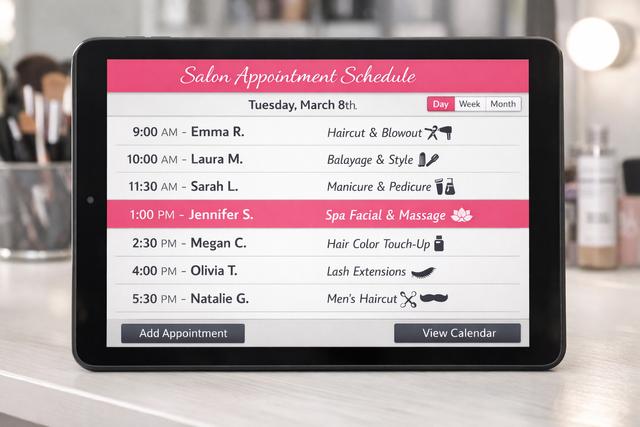
Master Your Appointment Schedule
Your schedule is the backbone of your salon. Get it right and everything else falls into place. Get it wrong and every day feels like putting out fires.
Use Time Blocks Effectively
Not all services take the same amount of time, and not all time slots are equal. Structure your day with intention:
- Morning slots: Book your most complex services like color corrections and extensions when energy is highest.
- Midday slots: Schedule cuts and quick services during the natural lull.
- Late afternoon: Reserve for blowouts, trims, and appointments that attract after-work clients.
Build buffer time between appointments. A 10-minute gap between clients prevents the cascading delays that ruin your entire afternoon when one service runs long.
Set Realistic Service Durations
Be honest about how long each service actually takes, including consultation, processing time, and cleanup. If a balayage consistently takes three hours but you have it booked as two and a half, you will always run behind. Track your actual service times for a month and adjust your booking durations accordingly.
Minimize Gaps and Dead Time
Empty slots between appointments are wasted revenue. Use salon software that intelligently fills gaps by suggesting available times to clients during booking. Some tools can even send last-minute availability notifications to clients who are on a waitlist.
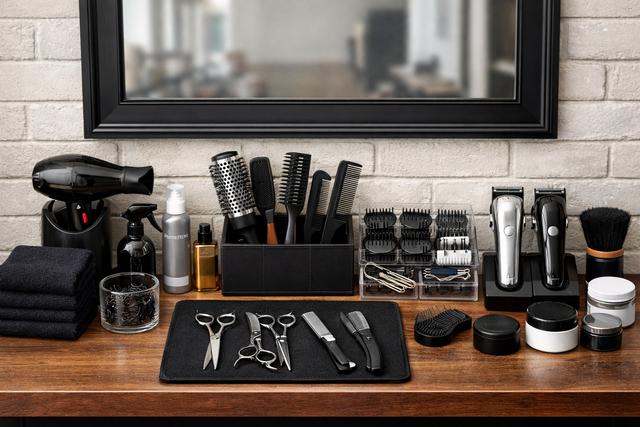
Streamline Your Workflow
Efficient workflows also help you retain clients and reduce no-shows.
Small inefficiencies add up to hours of lost time every week. Look at your daily workflow and eliminate unnecessary steps.
Prep Stations in Advance
Before your first client arrives, every station should be clean, stocked, and ready. Lay out tools, pre-mix any standing color orders, and check your schedule for the day. Five minutes of morning prep prevents scrambling all day.
Delegate and Use Assistants
If you have assistants or junior stylists, use them. They should handle shampooing, mixing color, cleaning stations between clients, and restocking supplies. Your most skilled stylists should spend their time doing what only they can do: cutting, coloring, and consulting.
Standardize Your Processes
Create simple checklists for opening, closing, and station turnover. When everyone follows the same process, nothing gets forgotten, and new team members can get up to speed quickly. Write these down and post them where staff can see them.
Leverage Technology
The right software saves you hours every week and reduces human error.
Salon Management Software
Invest in a good salon management platform that handles booking, client records, inventory, and reporting in one place. Look for features like:
- Online booking with automated confirmations and reminders
- Client history and notes accessible from any device
- Inventory tracking that alerts you when products are running low
- Staff scheduling with shift management
- Revenue reporting by stylist, service, and time period
Digital Check-In
Let clients check in on a tablet when they arrive. This frees up your receptionist, confirms the appointment, and can prompt clients to update their contact information or fill out a consultation form while they wait.
Automated Communications
Automate as much client communication as possible: appointment reminders, follow-up messages, rebooking prompts, and review requests. Every automated message is one less task for your team to handle manually.

Manage Your Team Effectively
Your team is your biggest asset and your biggest expense. Managing them well is the difference between a thriving salon and a revolving door of staff.
Create Clear Schedules
Publish staff schedules at least two weeks in advance. Respect your team's time off and avoid last-minute changes. Use scheduling software that allows shift swaps between team members without requiring your approval for every change.
Hold Brief Daily Huddles
Start each day with a five-minute team huddle. Review the day's bookings, highlight any special client needs, and address any supply issues. This aligns your team and catches potential problems before they become real ones.
Set Performance Expectations
Define clear expectations for each role: rebooking targets, upselling goals, punctuality, and client satisfaction. Review these monthly in one-on-one meetings. Staff perform better when they know what success looks like and receive regular feedback.
Control Your Inventory
Good inventory control ties directly into your pricing strategy — you need to know your product costs to price services correctly.
Product waste and stockouts both cost you money. Take control of your inventory with these practices.
Track Product Usage
Know exactly how much product each service uses. If a stylist is using twice the normal amount of color per client, that is eating into your margins. Set standard usage amounts and train your team to measure rather than guess.
Use a Par Stock System
For every product you stock, set a minimum quantity — the par level. When stock drops below par, reorder. This prevents both overstocking and running out of essentials mid-service. Review par levels quarterly based on actual usage patterns.
Negotiate With Suppliers
If you are buying in volume, negotiate better pricing or payment terms with your suppliers. Consider consolidating your orders with fewer suppliers to increase your buying power. Even a five percent reduction in product costs adds up significantly over a year.
Handle the Rush Without the Stress
Saturdays and holiday seasons will always be busier than Tuesdays. The key is preparing for the rush rather than surviving it.
- Stagger start times: Not everyone needs to start and finish at the same time. Stagger shifts to ensure coverage during peak hours while avoiding overstaffing during slow periods.
- Pre-book for peak times: Encourage clients to book their next appointment before they leave, especially for busy periods like holidays and prom season.
- Have a waitlist system: When you are fully booked, add interested clients to a waitlist that automatically notifies them if a slot opens up.
- Stock extra supplies: Before any expected rush period, order extra product and supplies. Running out of color on a packed Saturday is a nightmare you can easily avoid.
Protect Your Own Time
Use some of that freed-up time for social media marketing to keep your chairs full.
If you are the salon owner, you need to work on the business, not just in it. Block out at least two hours per week for admin tasks: reviewing finances, planning marketing, and meeting with your team. If you spend every working hour behind the chair, your business will never grow beyond what you can personally deliver.
The Bottom Line
Efficiency is not about working harder or faster. It is about eliminating waste, using the right tools, and building systems that let your team perform at their best. Start by auditing your current workflow: where are the bottlenecks, the repeated mistakes, the wasted minutes? Fix those first. A well-run salon is a happier place to work and a more profitable business to own.